To the content

PAH: When Every Step Matters

November 26th 2026
PAH: When Every Step Matters
Living with PAH means navigating a complex disease every day.

Pulmonary arterial hypertension (PAH), a rare form of Pulmonary hypertension (PH), can begin with symptoms that are easy to overlook or mistake for something else. Finding the right diagnosis is therefore an important step. But for people living with PAH, the journey does not end there. Understanding the disease, finding expert care and getting the right support can make a real difference when navigating life with a complex condition.

Pulmonary hypertension is characterized by abnormally high blood pressure in the pulmonary circulation and can put increasing strain on the right side of the heart. Around one percent of the global population lives with PH. Pulmonary arterial hypertension (PAH) is a rare form of the disease, occurring in around 50 in every million adults, or approximately 0.005 percent of the population. In PAH, arteries in the lungs become narrow or blocked, placing increased strain on the heart. This makes PAH a serious condition that requires appropriate care.

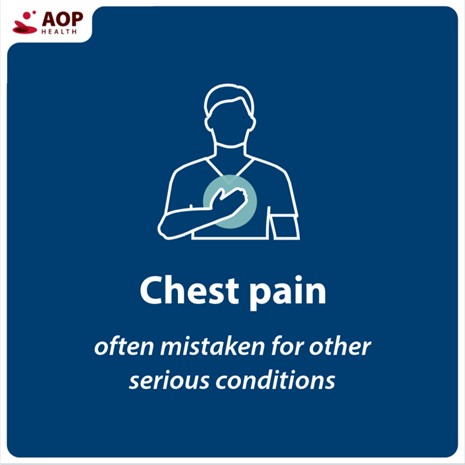
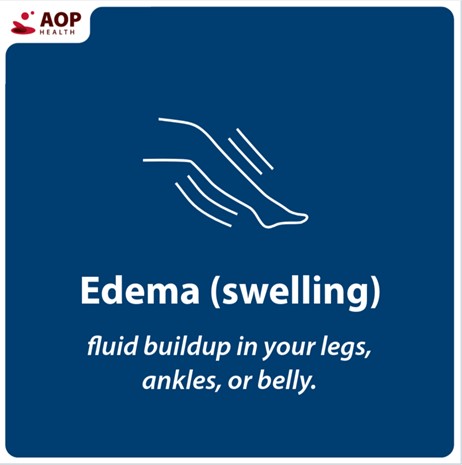
The difficulty is that PH and its subtypes can begin quietly. Symptoms such as shortness of breath during physical activity, fatigue, dizziness or fainting, swelling, chest pain, wheezing or persistent cough are not necessarily specific to the disease. Early signs may therefore be attributed to other conditions. Yet, if left untreated, PH can weaken the right side of the heart and ultimately lead to heart failure. Raising awareness for the disease and achieving an early diagnosis are therefore critical.

On the path to diagnosis: Getting the right expertise early

After an initial evaluation, seeking specialist expertise can make an important difference.

Bianca Tan, MSc

If you experience symptoms that could be caused by pulmonary hypertension or one of its subtypes, make sure to seek the expertise of a PH specialist at an experienced centre.

The diagnostic journey can involve several stages. An initial assessment by a physician may be followed by non-invasive tests to explore possible causes. If PH is suspected, referral to a specialist PH center can follow. Right heart catheterization is then used to confirm the diagnosis, while further investigation helps determine its underlying cause and inform appropriate treatment.

PAH: support matters when living with the ultra rare

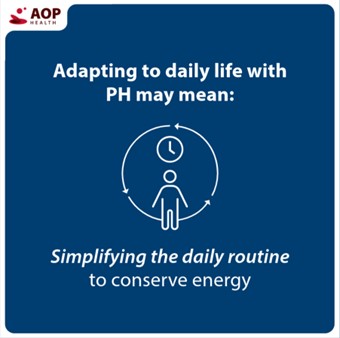
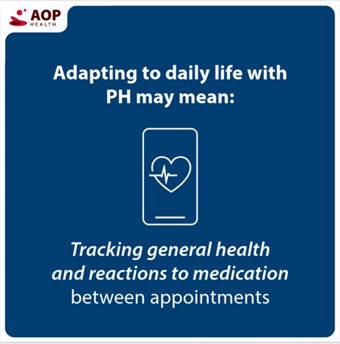
Receiving a diagnosis is an important milestone. But living with PAH means continuing to navigate a complex condition, day after day. That makes access to reliable information and support particularly important.

Patient organizations can help people living with PAH and their caregivers find information, exchange experiences with others and connect the different parts of their care.

Eva Otter

I have learned that taking control of one's health gives us the best possible chance for improving our quality of life. To achieve this, we need support and trusted tools for coping with the disease. That’s exactly what patient organizations offer.

Every step matters

For people living with PAH, there is no single step that defines the entire journey. Recognizing symptoms matters. Finding specialist expertise matters. Reaching the right diagnosis matters. And after diagnosis, learning how to live with the condition and finding support matter too.

Information matters, too

To help navigate the complexities of PH, PH.Network provides reliable information about the disease for patients, caregivers and anyone looking to learn more. https://www.ph-network.com/


Key Takeaways

What is PH? 
Pulmonary hypertension, or PH, is characterised by abnormally high blood pressure affecting the pulmonary circulation and can put increasing strain on the right side of the heart. Around one percent of the global population lives with PH.

What is PAH?
Pulmonary arterial hypertension (PAH) is a rare subtype of the disease, occurring in around 50 in every million adults, or approximately 0.005 percent of the population. In PAH, arteries in the lungs become narrow or blocked, placing increased strain on the heart.

Why does early diagnosis matter?
PH and its subtypes can begin with subtle, non-specific symptoms that may be mistaken for other conditions. If left untreated, they can weaken the right side of the heart and ultimately lead to heart failure, making awareness and early diagnosis critical.

What should a patient do if PH is suspected?
After an initial medical assessment, seeking specialist expertise is an important next step. The diagnostic pathway can include non-invasive tests, referral to a specialist PH centre and right heart catheterization to confirm the diagnosis. Bianca Tan, MSc, Senior Director Global Brands at AOP Health, likewise advises going directly to an expert after the first evaluations if PH is suspected.

Why does support matter when living with PAH?
Living with a rare disease like PAH means navigating a complex disease every day. Patient organizations can provide reliable information, opportunities to exchange experiences with other patients and support in connecting patients with different parts of their care.

Why is AOP Health raising awareness of PAH?
AOP Health is committed to raising awareness of rare diseases and the challenges people living with them face. By putting a spotlight on PAH, the company aims to contribute to greater disease awareness and better orientation for patients and their families.

About AOP Health

AOP Health Group is a global pharmaceutical enterprise with headquarters in Vienna. Its mission is to address high unmet medical needs through impactful, science-driven therapies and care models. Since 1996, AOP Health has pioneered research where limited therapies exist, to develop solutions for patients with rare diseases and severe conditions in niche therapeutic areas. Guided by the principle "Needs. Science. Trust.” the AOP Health Group demonstrates its strong commitment to patients and healthcare professionals through innovation and long-term partnerships, to improve patient outcomes worldwide.

Press Contact.

Mag. Nina Roth, MAS

Head of Corporate Communications
nina.roth[at]aop-health.com

Photocredit Portrait Bianca TAN: "AOP Health/TV Salon"
Photocredit Portrait Eva Otter: “AOP Health/Ludwig Schedl”

To the main navigation