To the content

Rare Disease Survey Marks 30 Years of AOP Health

September 30th 2026
The Hidden Reality of Rare Diseases: Austrians Underestimate the Number of People Affected by More Than 80 Percent

Vienna, 30.09.2026. Rare diseases are not as rare as their name suggests. Around 450,000 people in Austria are affected. For many, this means years of uncertainty, life-altering symptoms and a long search for a diagnosis. Yet the true scale of the issue remains largely unrecognized: on average, Austrians estimate the number of people living with a rare disease at just 87,000, underestimating the reality by more than 80 percent. A recent survey conducted to mark AOP Health’s 30th anniversary highlights the urgent need for greater awareness and education.

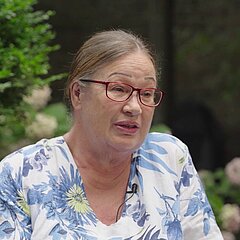
Behind these figures are people whose lives are often shaped by prolonged uncertainty and hardship. One of them is Brigitte Kaufmann. For years, she searched for answers as her symptoms remained unexplained, even when she could barely climb the stairs to her apartment or carry her child.

Brigitte Kaufmann

It took five years before I finally learned that I had pulmonary arterial hypertension (PAH). At the time, getting a diagnosis was incredibly difficult. Even doctors rarely considered the disease.

Ms. Kaufmann's experience illustrates the importance of awareness: the earlier a rare disease is recognized, the greater the chances of timely treatment and appropriate care.

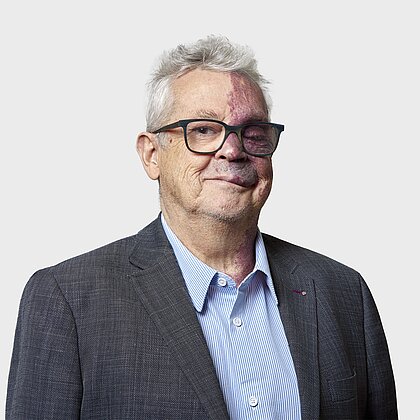
Dr. Martin Steinhart

A rare disease affects far more than a person's health. It often impacts every aspect of daily life and can involve a long and challenging path to diagnosis and appropriate care. The results of our survey clearly show that the need for greater awareness remains significant. Better understanding provides guidance, reduces uncertainty and can help ensure that patients receive the right diagnosis and treatment sooner.

Four in Five Austrians Call for More Awareness

Rare diseases are an issue of concern for people across Austria. Yet when it comes to reliable information and points of contact, many struggle to find their way. A majority of respondents (59 percent) view rare diseases as an important societal challenge.

By contrast, only one in four believe that awareness of rare diseases in Austria is sufficient or consider themselves well informed. As a result, the demand for information and practical support remains high. Reliable sources, including websites and educational materials, are often difficult to find. This makes professional awareness initiatives even more important: 82 percent consider information provided by experts to be highly valuable, while only 39 percent believe sufficient information is readily accessible.

The call for greater awareness is therefore clear. It is no longer just about visibility, but also about providing guidance that is understandable, trustworthy and available when people need answers.

Gen Z Leads the Way: Younger People Show Greater Awareness

Clear differences emerge across generations. Younger people are more likely to encounter rare diseases within their personal networks and engage more actively with the topic, while rare diseases tend to be less visible among older generations. 72 percent of Millennials and nearly 66 percent of Gen Z respondents say they know what rare diseases are, while almost 62 percent of Millennials and 64 percent of Gen Z can name a specific condition. Nearly one in two reports a personal connection to the topic or knows someone affected.

Among Baby Boomers, the picture is almost the opposite. Only 35 percent can name a rare disease. Just 21 percent consider the topic personally relevant, and about 30 percent know someone living with a rare disease.

Differences are also evident in information-seeking behavior. Around 70 percent of Gen Z respondents and Millennials research symptoms online before consulting a doctor, compared with only 40 percent of Baby Boomers. This underlines the importance of reliable digital information, particularly for complex conditions that do not have a standard diagnostic pathway.

Supporting People with Rare Diseases for 30 Years

For three decades, AOP Health has been committed to improving the lives of people living with rare diseases. In addition to research and therapy development, the company places strong emphasis on continuous dialogue with medical experts, healthcare professionals and patient organizations.

“From the very beginning, our ambition has been to take responsibility where unmet medical needs are greatest and where the journey for patients is particularly challenging, together with our partners across healthcare,” says Dr. Rudolf Widmann, Founder and Board Member of AOP Health. “Thirty years later, this commitment remains unchanged. We strive to create new perspectives through innovation, meaningful partnerships and a deeper understanding of the realities people living with rare diseases face every day.“

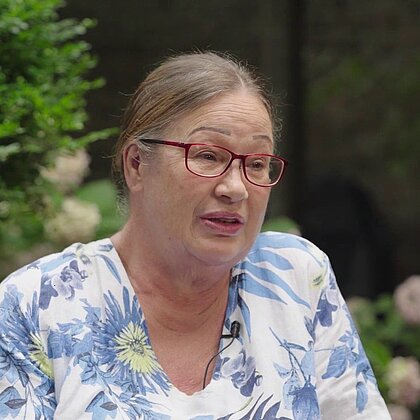
Dr. Rudolf Widmann

Turning this commitment into action is a continuous challenge. Anyone who takes responsibility in a complex healthcare environment encounters competing priorities, differing expectations and sometimes conflicting interests. That is why expertise, perseverance and the dedication of our teams are so essential.

The survey sends a clear message: rare diseases need more attention. Visibility is a crucial first step towards greater understanding, better guidance and a healthcare system that supports patients and their families every step of the way. 


Key Takeaways

Why did AOP Health conduct this survey on rare diseases?
AOP Health conducted this survey to better understand the reality of people living with rare diseases and to raise awareness of their situation. Better understanding can provide guidance, reduce uncertainty and help ensure that patients receive the right diagnosis and treatment sooner.

Do Austrians underestimate the number of people affected by rare diseases?
Yes: on average, Austrians estimate the number of people living with a rare disease at just 87,000. In reality, around 450,000 people in Austria are affected, meaning the true number is underestimated by more than 80 percent.

What burden do rare diseases place on patients?
A rare disease affects far more than a person's health. It often impacts every aspect of daily life and can involve a long and challenging path to diagnosis and appropriate care.

What does the survey reveal about awareness of rare diseases in Austria?
The survey results clearly show that the need for greater awareness remains significant. Four in five Austrians call for more awareness of rare diseases.

Who is more aware of rare diseases: younger or older generations?
Younger people are more likely to encounter rare diseases within their personal networks and engage more actively with the topic, while rare diseases tend to be less visible among older generations.

What is AOP Health doing to support people living with rare diseases?
For three decades, AOP Health has been committed to improving the lives of people living with rare diseases. In addition to research and therapy development, the company places strong emphasis on continuous dialogue with medical experts, healthcare professionals and patient organizations.

About the Survey

On behalf of AOP Health, market and opinion research institute Marketagent surveyed 1,000 people across Austria between June 24-30, 2026. Respondents, aged 14 to 75, were selected to reflect the Austrian population and broadly represented the following generations: Generation Z (15-31 years), Millennials (32-45 years), Generation X (46-60 years) and Baby Boomers (61-79 years). 

About AOP Health

AOP Health Group is a global pharmaceutical healthcare group with headquarters in Vienna. Its mission is to address high unmet medical needs through impactful, science-driven therapies and care models. Since 1996, AOP Health has pioneered research where limited therapies exist, to develop solutions for patients with rare diseases and severe conditions in niche therapeutic areas. Guided by the principle "Needs. Science. Trust.” The AOP Health Group demonstrates its strong commitment to patients and healthcare professionals through innovation and long-term partnerships, to improve patient outcomes worldwide.

Press Contact.

Mag. Nina Roth, MAS

Head of Corporate Communications
nina.roth[at]aop-health.com

Photocredit Stock-Photo: AdobeStock_229290787

To the main navigation